May 8, 2026
In the rapidly evolving agricultural landscape, GPS technology has emerged as a game-changer for farming operations. By enhancing efficiency, precision, and productivity, GPS tools are revolutionizing how farmers manage their fields. With increasing demand for food and the need for sustainable practices, GPS systems help accurately assess resources, map land, and monitor operations. Farmers using GPS tools can now make informed decisions on planting, fertilization, irrigation, and harvesting. This article explores the transformative impact of GPS technology on modern agriculture and highlights how integrating advanced agricultural equipment enhances farm performance.
Overview of GPS Technology in Agriculture
Historical Context
Initially developed for military navigation, GPS technology entered agriculture in the late 20th century. Farmers sought methods to increase productivity and reduce costs. Early adopters faced technical challenges but soon realized its potential for precise land measurement and resource allocation, starting a revolution in farming technology. Over time, GPS became a standard feature in many types of agricultural equipment, from tractors to sprayers, providing a new layer of intelligence and efficiency to everyday operations.
How GPS Works in Farming
GPS uses satellites to provide precise location data to receivers installed on agricultural equipment or handheld devices. This data allows accurate navigation, mapping, and surveying. For example, GPS-enabled planters can plant seeds in exact patterns, while GPS-guided harvesters follow optimized routes. It improves planting, harvesting, and field monitoring, enabling farmers to manage large areas with precision and efficiency, which is particularly beneficial for farms using modern agricultural equipment across multiple fields.
Benefits of GPS Tools
GPS technology supports precision farming by supplying data on field variability, ensuring crops receive what they need when they need it. Automated guidance reduces overlaps, saving time, fuel, and costs, while also minimizing environmental impact through precise input application. Farmers can now track the performance of different agricultural equipment, ensuring optimal maintenance and reducing downtime, which improves overall farm productivity.
Early Adoption Challenges
High costs, technical complexity, and rural connectivity issues initially slowed adoption. Training programs and financing options have helped farmers overcome these hurdles. Today, agricultural equipment manufacturers often bundle GPS systems with their machinery, making adoption easier and more cost-effective. By using GPS-enabled equipment, farmers can quickly achieve ROI through reduced input costs and improved yields.
Current Trends
GPS now dominates 38% of the precision farming sector, according to Precision Farming Market. Integration with drones, IoT devices, and analytics provides farmers with comprehensive insights, enabling precise resource management and sustainable practices across agricultural operations. Smart sensors attached to agricultural equipment allow for real-time monitoring of soil conditions, moisture levels, and crop health, further enhancing productivity and precision.
Precision Farming with GPS
Defining Precision Agriculture
Precision agriculture uses technology to manage variability in fields. GPS provides spatial data, allowing farmers to optimize input use, reduce waste, and increase yields. This approach shifts from uniform management to highly localized and accurate farming. Modern agricultural equipment equipped with GPS also supports automatic data logging, enabling farmers to evaluate performance over time and make strategic improvements.
Soil Sampling and Land Analysis
GPS improves soil sampling by pinpointing exact locations for data collection. Detailed maps of soil fertility and nutrient variations allow targeted crop management, reducing input waste and supporting optimal growth. For farms using a variety of agricultural equipment, GPS allows precise calibration of machinery to match soil conditions, maximizing the effectiveness of each tool.
Yield Monitoring and Mapping
GPS-enabled yield monitors collect real-time crop performance data across fields. Farmers use this information to optimize fertilization, irrigation, and other resource allocations, improving productivity and decision-making over time. Integrating this technology with agricultural equipment enables automated adjustments, ensuring that high-yield areas receive optimal care while low-yield areas are analyzed for improvement.
Optimizing Input Applications
GPS guides variable rate technology (VRT), applying fertilizers and pesticides precisely according to field needs. This reduces input costs, enhances efficiency, and supports environmentally sustainable farming practices. By coordinating multiple pieces of agricultural equipment through GPS, farmers can execute complex field operations simultaneously, saving time and reducing labor requirements.
Farm Management Decisions
By providing location-specific data, GPS enhances decisions on planting, irrigation, and pest control. Farmers can integrate GPS data from all agricultural equipment to plan crop rotations, identify field issues early, and make informed long-term decisions. The result is higher efficiency, better resource allocation, and increased profitability.
Automated Machinery Guided by GPS
Introduction
GPS-based machinery brings precision and efficiency to farming. Automated tractors, sprayers, and combines navigate fields with high accuracy, optimizing planting, spraying, and harvesting while reducing labor costs. Farmers using GPS-enabled agricultural equipment benefit from improved scheduling, reduced fuel consumption, and more consistent crop management.
Autonomous Tractors
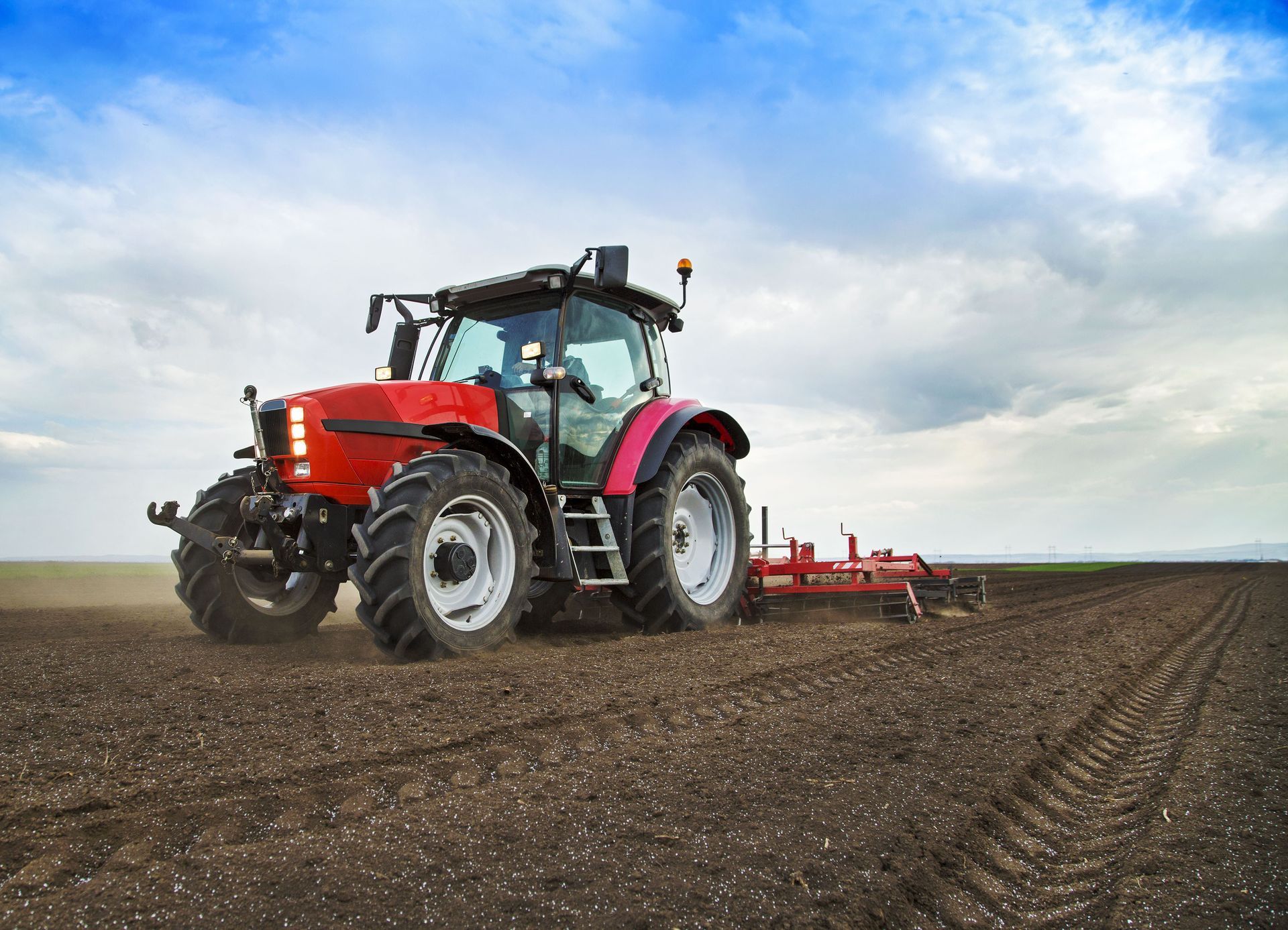
GPS guidance allows tractors to operate autonomously with centimeter-level accuracy, minimizing overlaps and missed areas. These tractors reduce fuel consumption, improve productivity, and free farmers to focus on management tasks. Using autonomous agricultural equipment also reduces wear and tear, as machines follow optimal paths.
GPS-guided Combines
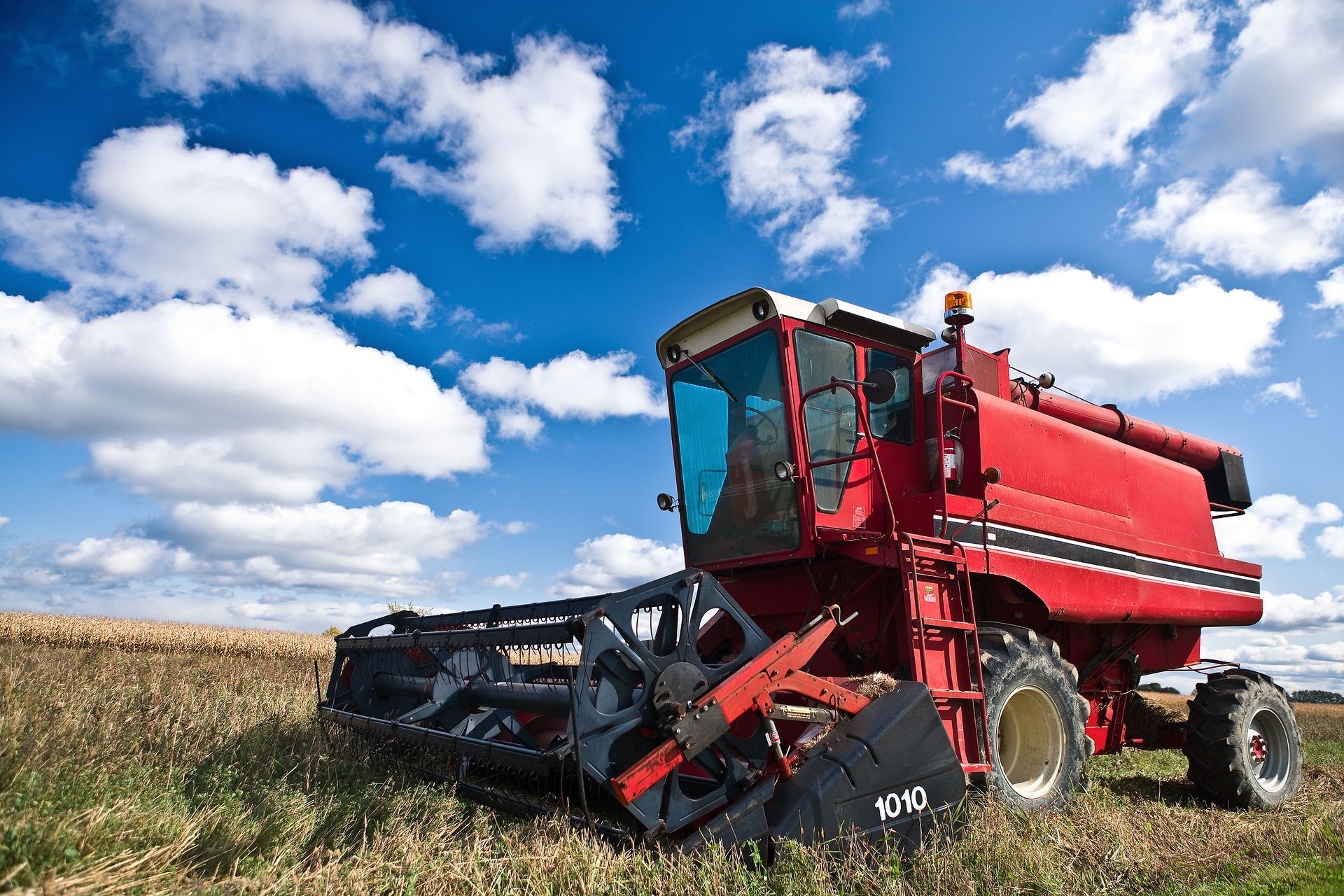
GPS-equipped combines harvest crops efficiently, providing real-time yield mapping for better resource allocation. Integration with sensors enables advanced analyses to optimize performance and costs. Farmers can track and compare the performance of multiple combines, ensuring each piece of agricultural equipment operates at peak efficiency.
Crop Sprayers
GPS ensures precise application of pesticides, herbicides, and fertilizers. With VRT, sprayers adjust rates based on field conditions, reducing chemical use while maintaining efficacy. GPS-guided sprayers reduce environmental impact and support regulatory compliance by ensuring accurate application of chemicals.
Future Trends: Robots and Drones
GPS-equipped robots and drones perform tasks like planting, surveying, and monitoring crops with high precision. Drones capture detailed aerial imagery, providing insights into crop health, soil conditions, and pest infestations. Combining drones with GPS-enabled agricultural equipment allows farmers to automate data collection and field operations efficiently.
Weather and Environmental Monitoring
Accurate Weather Forecasting
GPS improves weather prediction by measuring signal delays caused by atmospheric moisture. Farmers can plan planting, irrigation, and harvesting, reducing risks of crop damage. Integration with agricultural equipment allows automatic adjustments to field operations based on weather conditions.
Managing Extreme Weather Risks
GPS provides real-time alerts on storms, floods, or droughts, enabling farmers to protect crops and optimize recovery efforts. GPS-enabled agricultural equipment can adjust operations in response to real-time data, helping farmers maintain efficiency during adverse conditions.
Climate Adaptation Strategies
GPS helps monitor climate trends, adjust crop types, schedules, and water management, and evaluate adaptation strategies. This supports long-term sustainability while ensuring agricultural equipment is used effectively to adapt to changing conditions.
Environmental Impact Assessments
GPS mapping enables assessment of soil, water, and biodiversity impacts. Farmers can implement strategies to minimize ecological disturbances while optimizing production. Precision use of agricultural equipment ensures compliance with environmental regulations and supports sustainable farming practices.
Livestock Management
Tracking and Monitoring
GPS collars and tags allow real-time tracking of livestock movements, grazing patterns, and health. Farmers can optimize grazing, ensure welfare, and increase operational efficiency. Integration with GPS-enabled agricultural equipment allows monitoring of feed distribution and pasture usage.
Health and Behavior Monitoring
Real-time tracking detects abnormal activity, signaling potential health issues. Farmers can intervene early, improving livestock well-being and productivity. GPS technology enables precise adjustments in grazing and feeding schedules.
Preventing Theft and Loss
GPS tracking deters theft and reduces losses from wandering livestock. Alerts notify farmers of unauthorized movement, enhancing security and operational confidence.
Productivity and Efficiency Benefits
GPS in livestock management streamlines feeding, breeding, and health monitoring, optimizing resource use, reducing labor, and increasing economic returns. Coordinated use of GPS-enabled agricultural equipment ensures efficient pasture management and overall farm productivity.
GPS technology has transformed farming operations by improving efficiency, accuracy, and sustainability. From guiding agricultural equipment to supporting precision agriculture, livestock management, and environmental monitoring, GPS enables farmers to optimize productivity while reducing costs and ecological impact. Its integration with emerging technologies promises continued innovation in modern agriculture, ensuring farms are smarter, more efficient, and better equipped to meet the challenges of tomorrow. For more information, Deep Sand Technology.