April 29, 2026
Modern farming demands a higher level of precision and efficiency than ever before. Rising input costs, tighter labor availability, and unpredictable environmental conditions are forcing producers to rethink how they approach productivity. The goal is no longer just to cover acres quickly—it’s to do so with consistency, accuracy, and minimal waste across every pass in the field. Farms that fail to adapt often find themselves losing ground to more technologically advanced competitors.
This shift is why precision agriculture tools have become central to today’s operations. Technologies like auto steer for tractor systems allow farmers to eliminate guesswork and standardize performance across tasks. When combined with GPS guidance and data-driven platforms, these tools help transform traditional farming into a streamlined, scalable operation that can adapt to changing demands. As a result, producers can make more confident decisions backed by reliable data.
Efficiency Gains Across Field Operations
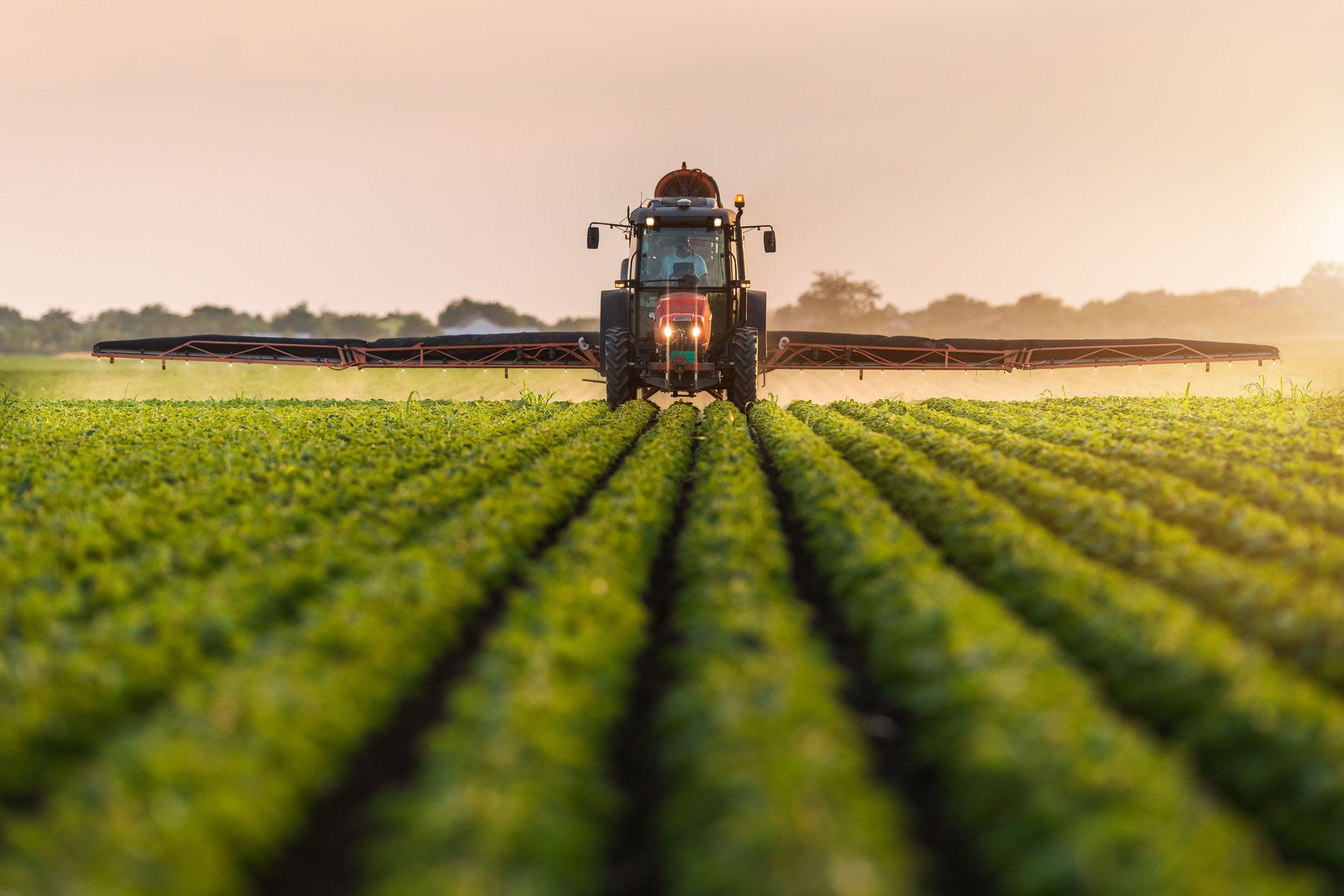
Field efficiency is one of the most immediate areas where farms can improve productivity. Small inefficiencies—like overlapping passes or missed strips—may seem insignificant at first, but over time they compound into higher input costs and uneven crop performance. These issues are especially pronounced during critical operations like planting and spraying, where precision directly impacts yield. Addressing these inefficiencies early can unlock measurable savings across an entire season.
By implementing auto steer for tractor systems, farms can dramatically reduce these inefficiencies. Straight, repeatable passes ensure that every inch of the field is treated correctly without duplication or gaps. The result is a cleaner operation that saves fuel, reduces input waste, and maximizes the effectiveness of every acre worked. Over time, these improvements contribute to stronger margins and more predictable outcomes.
Accuracy Improvements Through GPS Integration
Precision starts with accurate positioning, and that’s where GPS technology plays a critical role. Modern systems utilize advanced correction signals to deliver sub-inch accuracy, allowing operators to maintain consistent row spacing and exact input placement. This level of precision is especially important for high-value crops where small deviations can impact overall yield. Reliable positioning also reduces the need for corrective passes later in the season.
Auto steer for tractors integrated with high-accuracy GPS ensures that each pass aligns perfectly with the previous one. This repeatability improves crop uniformity and reduces the risk of over- or under-application. Over time, these incremental improvements lead to stronger yields and more predictable outcomes across the entire farm. Consistency at this level is difficult to achieve through manual operation alone.
Automation Benefits for Labor Optimization
Labor remains one of the most persistent challenges in agriculture. Skilled operators are in short supply, and long hours in the cab can lead to fatigue and reduced performance. Even experienced operators can struggle to maintain consistent accuracy over extended periods, particularly during high-pressure seasons. This makes it increasingly difficult to maintain productivity without additional support.
Automation provides a practical solution by reducing the manual workload required for steering and navigation. With an auto steer for tractor system in place, operators can focus on monitoring equipment performance and field conditions instead of constantly correcting their path. This not only improves productivity but also allows farms to operate more effectively with smaller teams. In turn, farms can reallocate labor to higher-value tasks that require human oversight.
Compatibility Advantages Across Equipment Fleets
Many farms operate a mix of equipment brands and models, which can complicate the adoption of new technology. Systems that are limited to specific manufacturers often create unnecessary barriers, forcing farms to either standardize equipment or compromise on functionality. Flexibility is essential for operations that want to scale without replacing existing assets. Without it, technology investments can quickly become restrictive.
Universal solutions address this challenge by working seamlessly across different machines. An auto steer for tractor system designed for compatibility ensures that farmers can integrate precision technology without overhauling their fleet. This approach protects prior investments while enabling consistent performance across all equipment. It also simplifies long-term planning as farms expand or upgrade machinery.
Connectivity Enhancements Through Integrated Platforms
Precision tools become significantly more valuable when they are connected through a centralized platform. Farm management systems allow operators to track progress, monitor inputs, and analyze performance data in real time. This level of visibility turns day-to-day operations into a source of actionable insight. Better data access leads to faster and more informed decision-making
When paired with an auto steer for tractor system, these platforms create a fully integrated workflow. Data collected during field operations can be used to refine future decisions, improving efficiency year after year. This connectivity ensures that every pass in the field contributes to a broader strategy for productivity and growth. Over time, this creates a compounding effect that strengthens overall farm performance.
Innovation Trends Driving Precision Agriculture
The rapid adoption of precision technology reflects a broader shift within the industry. According to an industry article on autosteering technology by the Association of Equipment Manufacturers via Topcon, adoption rates are approaching 80% in parts of North America. This level of uptake highlights how essential these tools have become for modern farming operations. It also signals that farms without these systems risk falling behind industry standards.
Innovation continues to push the boundaries of what these systems can do. Newer solutions feature improved hardware, more intuitive software interfaces, and wireless connectivity that simplifies setup and operation. Systems like the AT2, AT2 Max, and AT2 Lite demonstrate how advancements in design and functionality are making precision agriculture more accessible and effective for farms of all sizes. These innovations are helping lower the barrier to entry for farms transitioning to precision systems.
Reliability Factors in Technology Investment
Investing in technology requires confidence that systems will perform when it matters most. Downtime during planting or harvesting can have significant consequences, making reliability a top priority for any farm. Equipment must be durable, easy to maintain, and supported by responsive service teams. Without dependable systems, even the most advanced technology can become a liability.
An auto steer for tractor system backed by strong warranties and fast support provides that assurance. Quick shipping, knowledgeable assistance, and a commitment to quality all contribute to a smoother experience in the field. When farmers know their technology is dependable, they can focus on maximizing productivity without unnecessary disruptions. This level of reliability ultimately supports long-term operational success.
Maximizing farm production is no longer about incremental improvements—it requires a strategic approach built on precision, efficiency, and data integration. From reducing overlap to improving accuracy and streamlining labor, modern tools are reshaping how farms operate at every level. The ability to make consistent, informed decisions across the entire operation is what ultimately drives long-term success. Farms that embrace these changes are better positioned to handle future challenges.
Technologies like
auto steer for tractor systems serve as a foundation for this transformation, enabling farms to operate with greater confidence and control. As the industry continues to evolve, adopting these solutions is becoming less of an advantage and more of a necessity for staying competitive in a demanding market. The transition to precision agriculture is no longer optional for farms aiming to scale efficiently.
Evaluate your current operation and identify where inefficiencies may be limiting your productivity. Deep Sand Tech offers proven auto steering and precision agriculture solutions designed to meet the demands of modern farming. Contact Deep Sand Tech today to explore how you can build a more efficient, data-driven, and profitable operation.