January 20, 2026
The agricultural sector is undergoing a transformative shift driven by technological advancements, with autosteering systems leading the charge. This technology is redefining traditional farming methods by incorporating precision, efficiency, and sustainability into everyday operations. Autosteering is not just about automating tractor operations; it represents a broader shift towards smart farming. This article explores the potential of autosteering as a pivotal element that will shape the future of farming. With the foundation laid, let's delve into the nuances of this revolutionizing technology.
1. Understanding Autosteering Technology
1.1 Definition and Core Principles
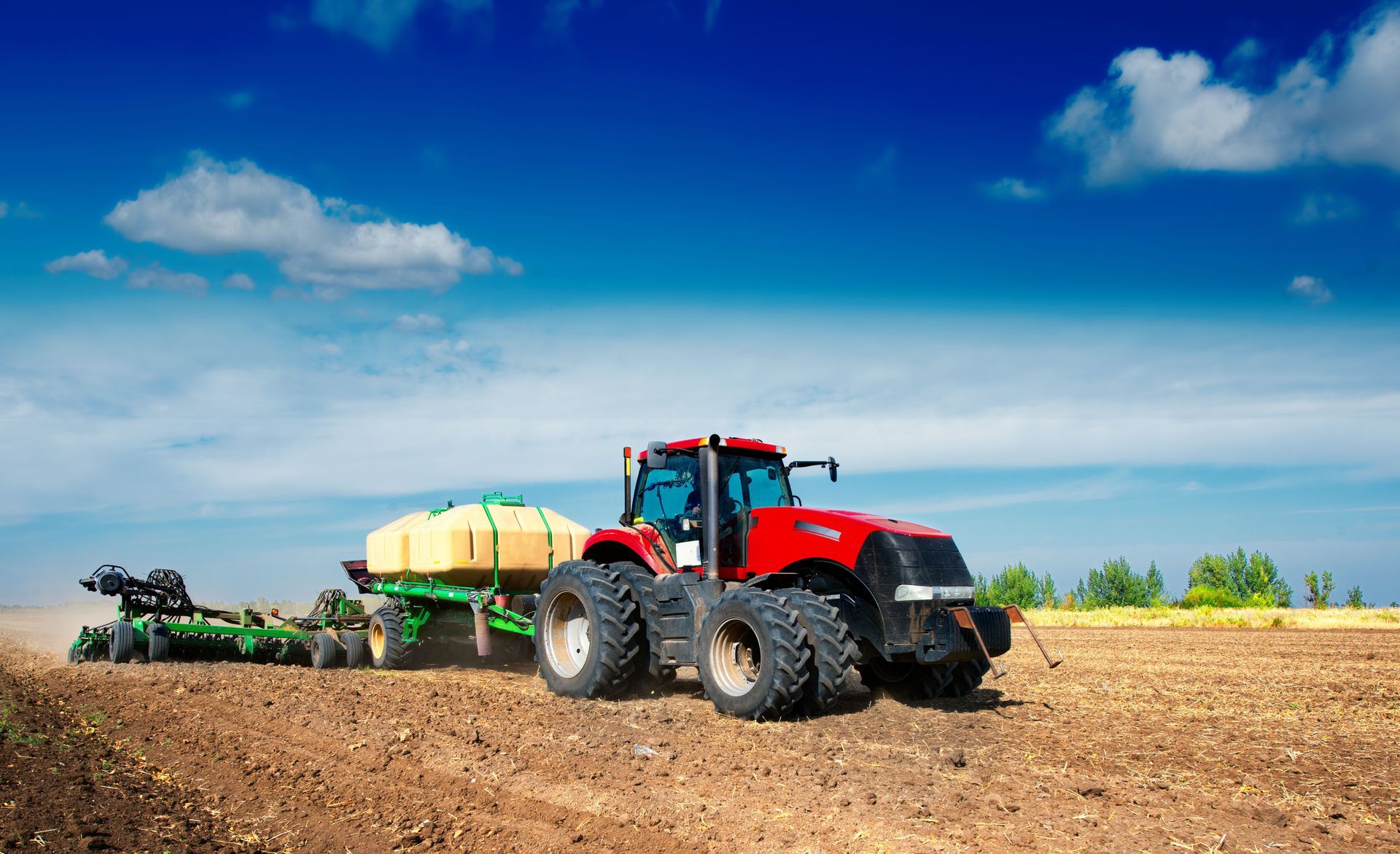
Autosteering technology refers to automated systems that control the steering of agricultural machinery, such as tractors and combines, using satellite guidance and advanced sensors. This system is designed to improve accuracy, reduce operator fatigue, and optimize field operations by maintaining precise and consistent paths. At its core, autosteering relies on automated steering mechanisms powered by advanced GPS satellite data, ensuring high precision on every pass. Accuracy and repeatability are the primary principles behind autosteering systems, enabling improvements in agricultural productivity and efficiency. As more farmers adopt this technology, they are seeing improvements in planting, tending, and harvesting cycles.
1.2 Evolution of Autosteering in Agriculture
The evolution of autosteering can be traced back to the late 20th century when early GPS technology was employed in farming. Over the years, advancements in satellite navigation and computing power have propelled autosteering into mainstream agriculture. Initially, systems provided basic guidance assistance, but today's models now offer robust precision options with sub-inch accuracy thanks to Real-Time Kinematic (RTK) GPS systems. These improvements have facilitated greater adoption among farmers, who recognize the benefits in terms of efficiency and yield. As technology continues to evolve, autosteering is expected to integrate even more seamlessly with farming operations, further boosting productivity.
1.3 Key Components of Autosteering Systems
Autosteering systems primarily consist of hardware components, such as steering actuators and control units, and software for guidance and control. The precision provided by GPS antennas and receivers enhances the ability of the tractor to follow pre-defined paths accurately. Control consoles mounted in the cab provide intuitive interfaces for operators to manage and customize steering strategies. Advances in sensors and inclusion of machine learning algorithms are refining these systems, making them adaptable to varying field conditions. Ultimately, the integration of these components determines the effectiveness and reliability of autosteering technology.
1.4 Comparing Manual Steering vs. Autosteering
Manual steering has been the traditional approach in agriculture, demanding significant physical effort and skill from operators. Autosteering, on the other hand, alleviates much of this burden by automating the steering process, allowing farmers to focus on other important tasks during field operations. The precision offered by autosteering surpasses human capabilities, greatly reducing overlaps and missed sections that are common in manual steering. This improved accuracy contributes to better crop yields and resource utilization. With the transition to autosteering, farmers also experience enhanced comfort and reduced fatigue, making it a more sustainable option for long hours in the field.
1.5 The Role of GPS and AI in Autosteering
GPS technology plays a foundational role in autosteering by providing precise satellite data to guide machinery along optimal paths. The integration of artificial intelligence further augments these capabilities by analyzing field data and making real-time adjustments to steering and speed. AI's ability to process vast amounts of information rapidly allows autosteering systems to learn and adapt to the unique conditions of each field. As a result, the use of AI enhances the decision-making processes involved in steering, leading to more efficient and effective operations. Together, GPS and AI are transforming autosteering from a guidance tool into a smart assistant for farmers.
2. Economic Benefits for Farmers
2.1 Reduction in Labor Costs
Adopting autosteering technology can lead to significant reductions in labor costs for farmers. By automating steering, the need for manual intervention is minimized, allowing a single operator to manage multiple machines or focus on higher-level tasks. This not only reduces the manpower required for field operations but also optimizes labor allocation, saving on wages and associated expenses. Moreover, the precision of autosteering decreases the time spent on tasks such as planting and harvesting, leading to labor efficiency. As operating expenses are forecasted to decline by $2.5 billion by 2025, according to the USDA, the shift to autosteering technology becomes increasingly cost-effective.
2.2 Increased Operational Efficiency
Autosteering significantly boosts operational efficiency on farms by minimizing overlaps and skips during field operations. The enhanced precision ensures that each pass is utilized effectively, maximizing coverage and optimizing input usage. This leads to improved crop management and superior yield results, as crops benefit from consistent and accurate treatment. The efficiency gains translate into shorter workdays and reduced equipment wear and tear, extending the lifespan of machinery. As a result, farms become more productive and capable of meeting growing food demands while maintaining sustainability.
2.3 Return on Investment (ROI)
Farmers investing in autosteering technology can expect substantial returns due to increased productivity and reduced input costs. The initial investment is quickly offset by savings in labor, fuel, and other operational expenses. Autosteering enables more precise application of fertilizers and pesticides, reducing waste and enhancing crop quality and yield. Over time, these benefits culminate in a higher return on investment as farmers achieve better market prices for their produce and reduced operational costs. As technology continues to advance, the ROI is anticipated to grow, encouraging more farmers to adopt autosteering systems.
2.4 Fuel and Resource Savings
Precise steering provided by autosteering technology leads to significant savings on fuel and resources. By optimizing routes and reducing unnecessary overlapping, autosteering minimizes fuel consumption and equipment usage. This not only results in direct cost savings but also reduces the carbon footprint of farming operations, aligning with environmental sustainability goals. Additionally, precise resource application ensures that inputs like fertilizers and pesticides are used more efficiently, reducing waste and potentially harmful impacts on the environment. As farmers strive to become more sustainable, autosteering offers a compelling solution to meet economic and ecological objectives.
2.5 Market Competitiveness
Autosteering technology enhances market competitiveness by allowing farmers to produce higher-quality crops with greater efficiency. The operational efficiencies gained through precision steering translate into more competitive pricing and improved market positioning. In a highly competitive agricultural market, differentiation through technology adoption becomes a significant advantage. The ability to consistently meet production targets and quality standards ensures better access to premium markets and opportunities. As more farms adopt autosteering, those lagging may struggle to compete, making early adoption a strategic move for savvy farmers.
3. Environmental Impact
3.1 Precision Agriculture and Sustainability
Autosteering technology is a key enabler of precision agriculture, promoting sustainable farming practices. By ensuring accurate and consistent field operations, autosteering minimizes input waste and environmental impact. This precision supports sustainable land management by preventing over-application of fertilizers and pesticides, reducing soil and water contamination. Through better resource management and reduced emissions, autosteering contributes significantly to environmental conservation efforts. As sustainability becomes a central focus in agriculture, autosteering is positioned as an essential tool for achieving these goals.
3.2 Reduction in Soil Compaction
Controlled traffic enabled by autosteering helps to significantly reduce soil compaction, a prevalent problem in conventional farming. By guiding machinery along predefined pathways, the technology prevents excessive soil disturbance and preserves soil structure. Reduction in soil compaction improves aeration, water infiltration, and root growth, enhancing soil health and productivity. As a result, better soil quality translates into more robust crop yields and long-term sustainability. Farmers adopting autosteering are finding that the ecological benefits contribute to the overall resilience of their land. Be sure to reach out to Deep Sand Tech today for more information on our professional agriculture autosteering services!