December 15, 2025
In recent years, the agricultural sector has witnessed a technological renaissance with the integration of various innovative advancements. One particular development capturing significant attention is the introduction and widespread adoption of autosteering technology in tractors. As farming practices evolve to meet the demands of an ever-growing population and the challenges of climate change, autosteering is emerging as an indispensable tool. The technology not only enhances agricultural productivity but also contributes to sustainable farming practices. This article delves into the various facets of why autosteering for tractors is a necessity in modern agriculture.
1. Enhancing Precision in Agriculture
1.1 Improving Crop Yield
The integration of autosteering for tractors has been a game-changer in optimizing crop yields. Precision is key in agriculture, and autosteering ensures that seeds are planted at perfect intervals, reducing human error and maximizing growth potential. The technology's accuracy allows for uniform plant emergence, offering each plant equal opportunity to access sunlight, soil nutrients, and water. Furthermore, by minimizing overlap during planting, farmers can use the entire field effectively. This leads to increased yields and a more efficient use of available land resources.
1.2 Precision Planting and Seeding
Precision planting is a cornerstone of successful farming and is greatly enhanced by autosteering for tractors. The capability to plant seeds with pinpoint accuracy ensures that each seed is placed at the optimal depth and spacing. This meticulous planting process results in a uniform and predictable plant growth pattern, crucial for maximizing crop output. The precision of autosteering systems reduces the stress and strain on operators, allowing them to monitor the process without constant manual adjustments. Ultimately, this degree of precision leads to a significant increase in both efficiency and yield quality.
1.3 Optimizing Fertilizer Use
Efficient fertilizer application is vital for providing crops with the necessary nutrients while minimizing environmental impact. Autosteering for tractors ensures that fertilizers are applied evenly across fields, minimizing waste. By preventing overlap and reducing application errors, farmers can apply fertilizers precisely where needed, ensuring optimal nutrient distribution. This targeted approach not only lowers costs associated with fertilizer use but also lessens potential runoff into water systems, promoting environmental sustainability. Ultimately, the combination of precision seeding and optimized fertilization significantly boosts overall farm productivity.
1.4 Reducing Overlap and Gaps
Field coverage consistency is essential in modern agriculture, and autosteering technology excels in reducing overlaps and gaps. By guiding tractors along pre-defined paths, the technology eliminates redundant passes over the same area, reducing fuel consumption and wear on equipment. This uniformity also ensures that all parts of the field receive the same treatment, whether it's seeding, fertilizing, or harvesting. As a result, farmers experience a more uniform crop emergence and growth, contributing to higher yields. Additionally, the reduction of overlap minimizes compaction of the soil, promoting healthier soil structure.
1.5 Enhancing Irrigation Efficiency
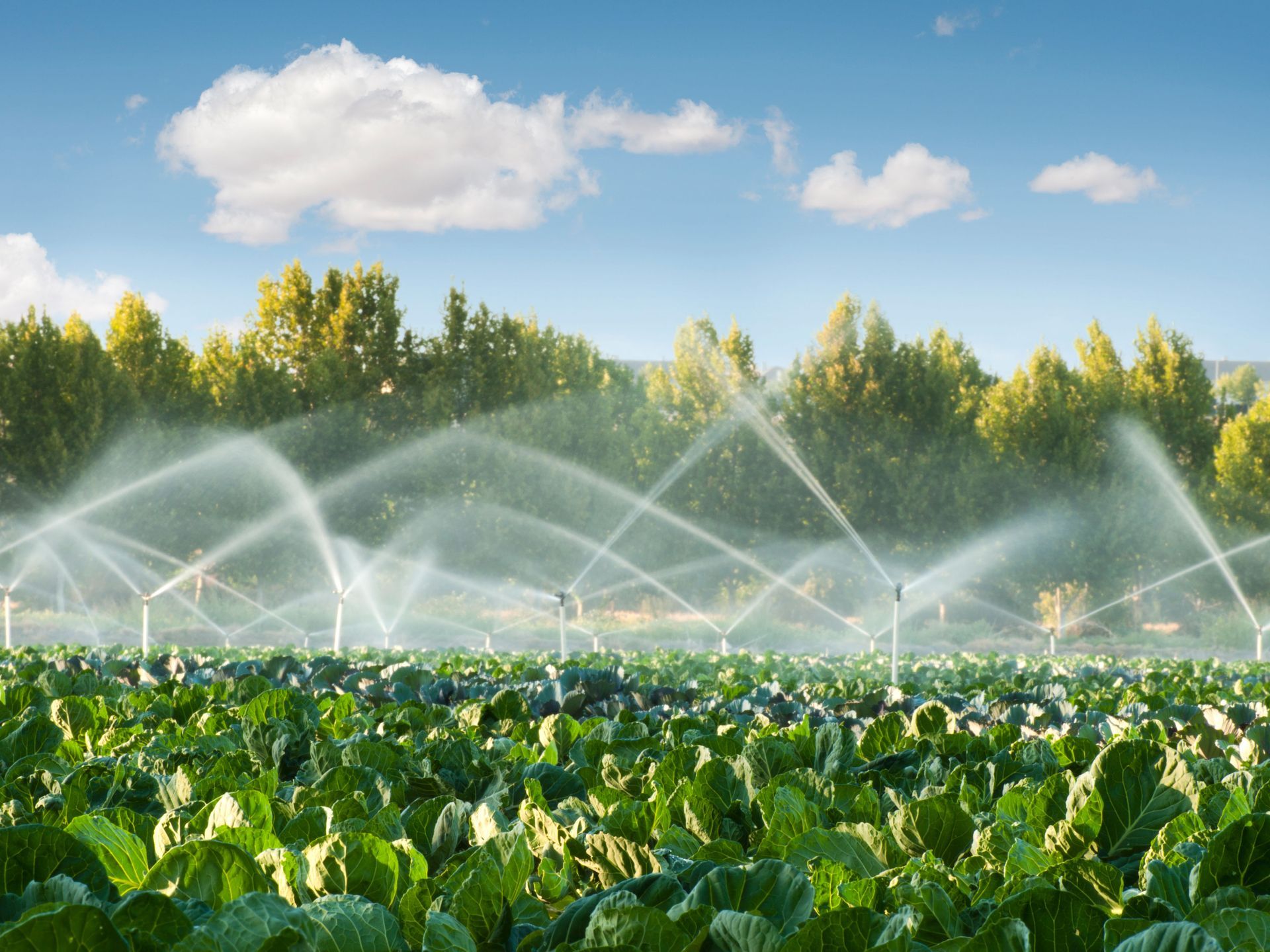
Autosteering for tractors plays a crucial role in effective irrigation management. Accurate navigation helps implement precision irrigation techniques, ensuring that water is applied uniformly across all areas of a field. This accuracy prevents over-irrigation and under-irrigation, both of which can harm crop quality and yield. By optimizing water use, farmers can significantly conserve this precious resource while also potentially reducing their irrigation-related energy costs. Furthermore, the enhanced irrigation efficiency facilitated by autosteering for tractors contributes to sustainable agriculture practices by reducing waste and improving resource use.
2. Increasing Farm Operational Efficiency
2.1 Reducing Driver Fatigue
One of the standout benefits of autosteering for tractors is its ability to alleviate driver fatigue, a common issue in traditional farming operations. By automating steering, operators experience a significant reduction in mental and physical demands, allowing them to remain more alert during long hours in the field. This not only improves safety by decreasing the likelihood of accidents but also enhances overall farm productivity. As operators are less fatigued, they can operate machinery for longer periods, ensuring that tasks are completed within optimal time frames. This reduction in fatigue translates into increased efficiency and more productive workdays.
2.2 Time Management Benefits
Time management is critical in agriculture, and autosteering for tractors offers substantial benefits in this regard. The precision and consistency provided by autosteering systems lead to quicker completion of tasks, as there is less need for adjustments and corrections compared to manual operations. This efficiency allows farmers to manage multiple tasks simultaneously, optimizing the use of available daylight hours. The technology also aids in better scheduling of field operations by providing accurate data collection. This can lead to improved planning and execution of tasks, ultimately saving valuable time during busy periods.
2.3 Energy and Fuel Efficiency
Autosteering for tractors dramatically enhances energy and fuel efficiency on farms. Due to the precise guidance offered by these systems, tractors follow optimized paths that reduce unnecessary maneuvers, subsequently lowering fuel consumption. This precision reduces the energy and resources expended on operations, leading to cost savings that can significantly impact a farm's bottom line. Additionally, with lower fuel usage, the environmental footprint of farming activities is reduced, contributing to sustainable agricultural practices. Over time, the cumulative savings on fuel can significantly offset the initial investment cost of autosteering technology.
2.4 Improved Machine Longevity
The consistent and precise use of autosteering for tractors leads to longer machine life. By minimizing unnecessary wear and varying stress loads, these systems help maintain equipment in optimal condition over longer periods. Regular and consistent usage patterns facilitated by autosteering mitigate harsh impacts on machinery, reducing breakdowns and repair costs. This longevity not only saves money but also ensures that farm operations are not disrupted by frequent equipment failures. Moreover, maintaining equipment condition helps preserve resale value, providing further financial benefits to farmers.
2.5 Streamlining Multi-Tasking Capabilities
With the advent of autosteering for tractors, farmers have enhanced their ability to multitask during operations significantly. As the tractor navigates itself, operators can allocate their attention to monitoring and adjusting other critical aspects of farm management. This capability allows simultaneous control of planting, seeding, or spraying operations alongside real-time data collection, improving overall efficiency. The ability to multitask effectively shortens the time required for farm tasks, yielding productivity enhancements that are crucial during high-demand seasons. Automation through autosteering thus facilitates a seamless and coordinated farming approach.
3. Financial Impacts and Cost-Benefits
3.1 Initial Investment Cost
Adopting autosteering technology can represent a sizable initial investment for farmers. These costs include purchasing or upgrading equipment, installing guidance systems, and training operators. For small to medium-sized farms, these expenses may feel prohibitive at the outset, but they must be weighed against the long-term efficiencies and savings provided. Evaluating the financial implications requires a transparent assessment of expected gains in productivity and the potential to lower operating costs. Ultimately, understanding these financial dynamics is crucial for farmers considering the transition to advanced autosteering systems.
3.2 Return on Investment
Despite the initial cost, the return on investment (ROI) offered by autosteering technology is often substantial. In many cases, improved yields and operational efficiencies result in increased profitability, offsetting initial expenses within a few seasons. According to the U.S. Department of Agriculture, net farm income, a broad measure of profits, is forecast at $180.1 billion for calendar year 2025, an increase of $41.0 billion relative to 2024 in nominal dollars, partly due to technological advancements like autosteering. By reducing labor costs and optimizing resource utilization, farmers can see rapid returns that improve net income and overall farm sustainability. Furthermore, these financial gains contribute to long-term economic stability for farming enterprises.
3.3 Maintenance and Upkeep
While ongoing maintenance and upkeep costs are factors to consider, autosteering systems tend to be robust and require minimal intervention. Regular software updates and occasional hardware checks are typically the extent of required maintenance, which is relatively easy to manage for most farm operations. The durability and reliability of these systems mean that they can remain operational with little downtime, maintaining efficiency throughout their lifespan. Consequently, the low maintenance burden enhances the attractiveness of autosteering, providing a steady return on investment with minimal additional financial outlay. Additionally, a well-maintained system helps preserve its functionality and extends its operational longevity.
3.4 Subsidies and Government Incentives
Recognizing the benefits of advanced agricultural technologies, many governments offer subsidies and incentives to encourage their adoption. These financial aids can significantly reduce the economic burden on farmers, making high-tech systems like autosteering more accessible to a broader range of agricultural operations. Such incentives are designed to spur modernization efforts within the sector, ensuring that even smaller farms can compete in an increasingly technology-driven marketplace. Grants, low-interest loans, and tax breaks are common forms of assistance available to those willing to upgrade their machinery. Exploring these opportunities can be a crucial step in bridging the financial gap for farmers investing in autosteering technology.
3.5 Long-Term Financial Planning
Incorporating autosteering into financial planning is vital for ensuring sustainable farm operations in the long term. By understanding cost-benefit dynamics and strategically allocating resources, farmers can enhance their fiscal health over extended periods. Integrating autosteering into broader financial strategies can result in improved financial resilience and adaptability to market fluctuations. This can be especially beneficial in dealing with unforeseen changes in revenue, such as those predicted by the U.S. Department of Agriculture for future farm income trends. Well-planned investments in technology pave the way for more robust financial management and preparedness in navigating evolving agricultural landscapes.
4. Technological Advancements and Innovations
4.1 Integration with Other Systems
The seamless integration of autosteering technology with other farm management systems represents a substantial leap forward in agricultural innovation. These systems work collaboratively with GPS technology, yield monitors, and variable rate applications, among others. This synergy enhances the efficiency and comprehensiveness of farm operations by allowing various technologies to interact and share data. The result is a more cohesive approach to managing multiple aspects of farming, from planting and fertilizing to monitoring crop health. Ultimately, such integration maximizes the utility of each system, creating a more streamlined and profitable agricultural process.
4.2 Advances in GPS and Satellite Technologies
Recent advances in GPS and satellite technologies have significantly enhanced the accuracy and effectiveness of autosteering systems. High precision GPS enables tractors to navigate more precisely, with positioning accuracy now down to a few centimeters. These improvements ensure that every pass of the tractor over a field is optimized for maximum efficiency, reducing both overlap and missed areas. The increased accuracy aids in better data collection for analyzing and improving farm practices. Enhanced GPS and satellite capabilities also mean that farmers can operate more effectively in varying terrains and challenging environments.
4.3 AI and Machine Learning Applications
Artificial intelligence (AI) and machine learning are playing ever-growing roles in enhancing autosteering technologies. These advancements allow systems to learn and adapt to unique field conditions, offering improved performance and customized solutions. By analyzing data in real-time, AI-driven autosteering optimizes tractor movements for variable conditions, such as soil moisture levels and crop types. Machine learning algorithms further refine system accuracy by constantly improving navigation based on accumulated data. This results in smarter and more responsive autosteering, driving innovation in agricultural efficiency and effectiveness.
4.4 Sensor and Feedback Mechanisms
Innovations in sensor and feedback mechanisms have revolutionized real-time data collection and processing for autosteering systems. Advanced sensors provide crucial information about tractors' positions, field conditions, and machinery health. These feedback loops allow for more informed decision-making by farmers who can quickly adjust their practices based on current data. The integration of these mechanisms ensures that farmers can maintain optimal performance and achieve maximum yield potential. Furthermore, the ability to analyze data in real-time leads to more predictive maintenance and efficient use of equipment, enhancing overall farm management.
4.5 Future Prospects and Research Directions
The future prospects for autosteering technology are exciting, with continuous research driving new innovations. Ongoing advancements in autonomous vehicle technology are likely to make autosteering systems even more efficient and user-friendly. Researchers are also exploring ways to expand the technology's applications, such as integrating it with drone operations for more comprehensive farm monitoring. Moreover, developments in AI promise even more adaptive and intelligent systems capable of handling complex farming scenarios. These advancements hold potential for further revolutionizing agriculture, offering tremendous possibilities for increased productivity and sustainability.
5. Environmental and Sustainable Benefits
5.1 Minimizing Soil Compaction
Minimizing soil compaction is vital for sustainable land management, and autosteering for tractors plays a crucial role in achieving this. Traditional farming methods often lead to uneven soil compaction due to the random trampling of fields. Autosteering's precise path control reduces unnecessary passes, thereby minimizing compaction. Healthier soil structure enhances root growth and water infiltration, promoting more robust plant development. This improved soil condition not only supports better crop yields but also contributes to long-term agricultural sustainability.
5.2 Enhancing Biodiversity
Autosteering technology can create field conditions that are conducive to supporting a diverse range of flora and fauna. By promoting more consistent and even crop planting, this technology preserves natural habitats and improves ecological balance. Reducing overlap and minimizing chemical use further supports biodiversity by preserving the integrity of local ecosystems. As a result, farms equipped with autosteering can contribute to conservation efforts and ecological diversity. Enhanced biodiversity improves ecosystem services, which are crucial for sustainable farming and environmental health.
5.3 Supporting Organic Farming
Autosteering is particularly advantageous for organic farming, where minimizing chemical usage is of paramount importance. Its precision in planting and seeding helps reduce the need for chemical interventions by optimizing plant health naturally. By lowering dependency on synthetic chemicals, autosteering aligns with organic farming principles and practices. Furthermore, the technology supports efficient organic fertilizer application, ensuring that nutrient distribution is tailored to plant needs. This compatibility with organic practices helps farmers achieve high-yield, chemical-free production while maintaining ecosystem health around farms.
5.4 Lowering Greenhouse Gas Emissions
Through its contributions to improved efficiency, autosteering technology aids in lowering greenhouse gas emissions associated with farming activities. By optimizing equipment paths and operational times, it significantly reduces fuel consumption and emissions output. This reduction in emissions is aligned with global efforts to mitigate the impacts of climate change. Additionally, more efficient resource use means that less energy is consumed, furthering the environmental benefits of adopting autosteering systems. Over the long term, this can contribute significantly to the sustainability goals of agricultural operations and the reduction of their carbon footprint.
5.5 Conservation and Resource Management
Effective resource management and conservation are crucial components of sustainable agriculture, and autosteering technology is instrumental in achieving these goals. By optimizing water and nutrient use, this technology helps conserve finite resources and reduce waste. The precise application of these resources ensures that not only are inputs minimized, but environmental impacts are also reduced. This optimized management extends beyond immediate field benefits, promoting the broader conservation of ecosystems impacted by farming activities. Thus, autosteering for tractors plays a vital role in sustainable farming by ensuring that resources are used as efficiently and responsibly as possible.
In short, autosteering for tractors is a must have for farmers as it enhances precision, improves operational efficiency, provides cost benefits, integrates with other systems, and provides sustainability benefits. If you're looking for autosteering systems, contact Deep Sand Tech today.