March 30, 2026
Farming has always been a profession that requires hard work, precision, and constant adaptation to changing environmental and market conditions. Over the past few decades, agricultural practices have evolved dramatically, incorporating mechanization, automation, and technology-driven solutions. Today, a growing number of farmers are embracing smarter tractor technology to optimize productivity, reduce labor costs, and improve overall farm management. From GPS-guided systems to real-time performance tracking, these innovations are transforming how farming operations are conducted, making agriculture more efficient than ever before.
The rise of precision agriculture has fueled this technological adoption, as farmers recognize the need to leverage data, automation, and connectivity to remain competitive. Smarter tractors are equipped with sensors, software, and advanced steering capabilities that allow farmers to monitor their fields, reduce waste, and increase yields. At the forefront of these innovations is the integration of auto steer for tractor systems, which allows machines to navigate fields with remarkable accuracy. This technology is no longer limited to large agribusinesses; small and mid-sized farms are now discovering the benefits of smart tractors as they become more affordable and easier to operate.
Increased Efficiency Through Automation
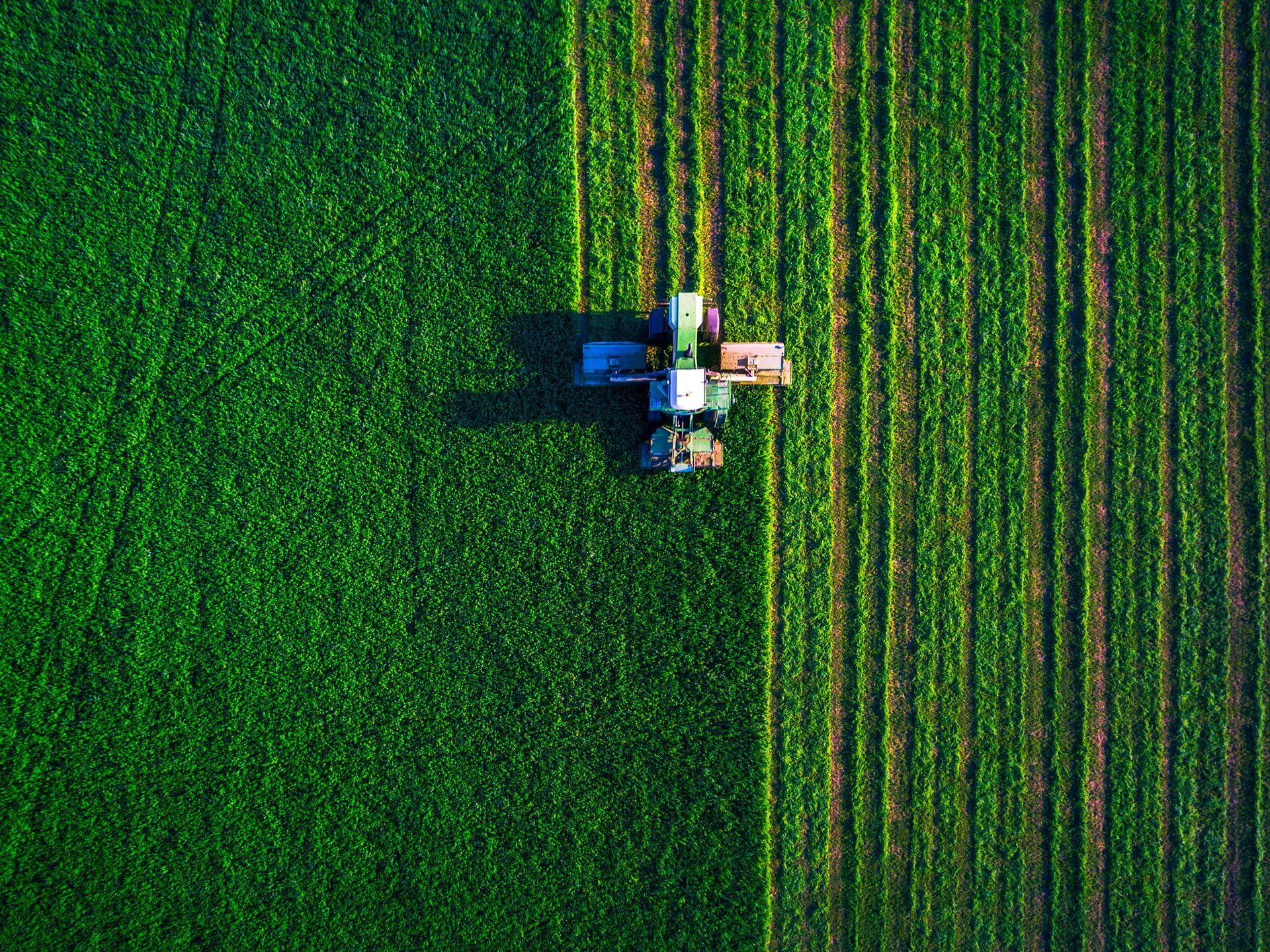
One of the primary reasons farmers are turning to smarter tractors is the unparalleled efficiency they offer. Traditional farming methods often require operators to manually steer tractors through extensive acres of crops, which can be physically exhausting and time-consuming. With auto steer for tractor systems, operators can program the tractor to follow precise routes, ensuring consistent planting, fertilizing, and harvesting patterns. This reduces overlap, minimizes wasted resources, and allows farmers to complete tasks faster than ever before.
Automation also plays a critical role in labor management. Many farms face challenges in recruiting skilled labor, particularly during peak planting or harvesting seasons. Smarter tractor technology alleviates this pressure by allowing a single operator to manage multiple tasks or cover more ground with less effort. The automation provided by auto steer systems means fewer errors, improved accuracy, and greater consistency across the farm.
Additionally, automated tractors improve fuel efficiency and reduce wear and tear on machinery. Precise navigation ensures optimal routes, reducing unnecessary turns, stops, and starts that consume excess fuel. Over time, these efficiencies translate to significant cost savings, making the investment in smart tractor technology economically viable for many farmers. With these advantages, it is no surprise that adoption rates are rapidly climbing across North America.
Expanded Precision Farming
Beyond efficiency, smarter tractors empower farmers to practice precision agriculture, where data and technology drive better decision-making. Modern tractors are equipped with sensors that collect information on soil conditions, moisture levels, crop health, and more. When combined with GPS-guided auto steer for tractor systems, this data allows farmers to make informed choices about planting patterns, irrigation schedules, and fertilizer applications. The result is healthier crops, higher yields, and reduced environmental impact.
Farmers can also integrate smart tractors with farm management software, creating a digital blueprint of their operations. Real-time analytics enable them to monitor field performance, track productivity, and anticipate potential issues before they become costly problems. This data-driven approach ensures resources are applied where they are most needed, avoiding overuse and waste.
According to the Association of Equipment Manufacturers (AEM) via Topcon, autosteer adoption is estimated to be near 80% in parts of North America. This demonstrates how mainstream smarter tractor technology has become and how farmers are increasingly recognizing the tangible benefits of precision-driven farming practices.
By combining data collection, automation, and analytics, smart tractors allow farmers to optimize their operations at a level that was unimaginable just a decade ago. Auto steer systems are central to this transformation, providing the backbone for accurate, efficient, and informed field management.
Elevated Environmental Benefits
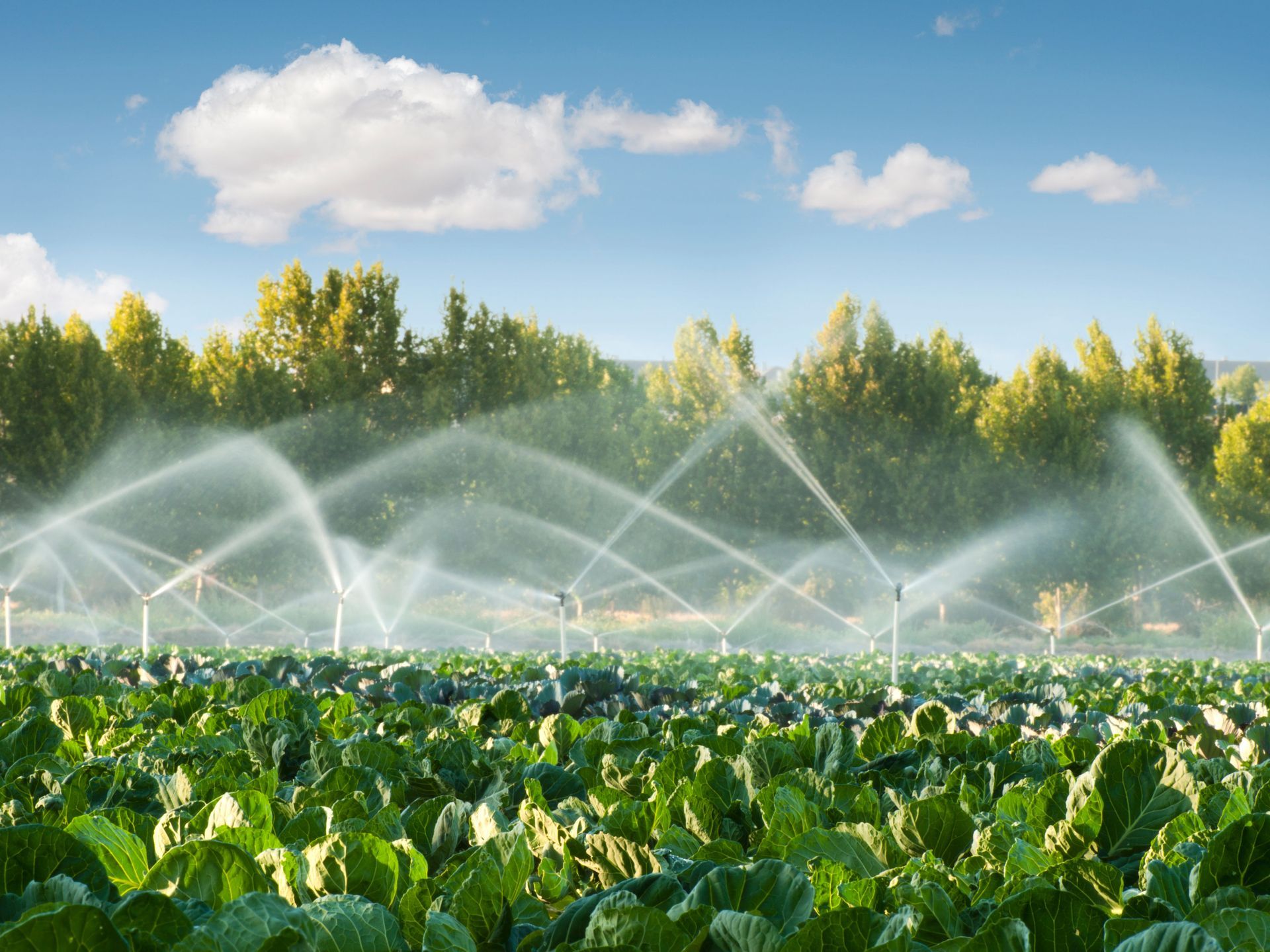
Another compelling reason for adopting smarter tractor technology is the positive impact on environmental sustainability. Precision agriculture allows farmers to apply fertilizers, pesticides, and water only where they are needed, reducing runoff and minimizing environmental damage. Auto steer for tractor systems ensures that machinery moves accurately along designated paths, preventing over-application of chemicals and limiting soil compaction.
Soil health is a critical component of sustainable farming, and smarter tractors play a role in preserving it. Overlapping passes or erratic steering can compact the soil, reducing its ability to retain water and nutrients. By maintaining precise guidance and consistent spacing, tractors equipped with auto steer capabilities help maintain soil integrity, promoting long-term farm productivity.
In addition, smarter tractors contribute to reduced carbon emissions. Automated systems optimize fuel usage by eliminating unnecessary movements and idling, which directly lowers a farm’s carbon footprint. As environmental regulations become stricter and consumers demand more sustainable products, farms that utilize these technologies gain a competitive edge. By integrating smarter tractors, farmers can meet these expectations while simultaneously reducing operational costs.
Enhanced Safety and Operator Comfort
Safety is a crucial consideration in modern agriculture, and smarter tractors address this concern in multiple ways. Operating heavy machinery for long hours can be physically taxing and increase the risk of accidents. With auto steer for tractor technology, operators can rely on automated guidance for straight and consistent passes, reducing fatigue and improving focus.
Smarter tractors also come equipped with sensors and collision-detection systems, alerting operators to obstacles in the field. This reduces the likelihood of accidents, protects expensive machinery, and ensures the safety of farm personnel. For farms employing younger or less experienced operators, these systems provide an added layer of confidence and reliability.
Operator comfort is another advantage. Automated steering allows for more relaxed, ergonomic operation, with fewer physical demands during long workdays. The ability to monitor multiple systems from the cab reduces the need for constant manual intervention, creating a more pleasant and less stressful work environment. As farms expand in size and complexity, investing in safer, more comfortable equipment is not only practical but essential.
By addressing labor challenges, reducing risks, and enhancing operator well-being, smarter tractors provide a holistic solution that benefits both people and farm operations. With the integration of auto steer systems, farmers gain peace of mind knowing that precision, safety, and efficiency are working hand in hand.
The adoption of smarter tractor technology is transforming modern agriculture in profound ways. From improving operational efficiency and enabling data-driven decision-making to promoting environmental sustainability and enhancing operator safety, these advanced machines are reshaping how farms operate. The integration of auto steer systems has become a cornerstone of this transformation, providing unmatched accuracy and consistency across fields. As technology continues to advance, farmers are increasingly recognizing the long-term value of investing in smart tractors, not only for immediate productivity gains but also for sustainable growth and competitive advantage.
The future of farming is clearly intertwined with technology. With adoption rates rising, the benefits of smarter tractors are no longer theoretical—they are tangible and measurable. Farmers who embrace these innovations are better equipped to meet market demands, conserve resources, and maintain healthy, productive land. Auto steer systems exemplify the potential of precision agriculture, proving that smarter technology can lead to smarter, safer, and more profitable farming operations. As more farmers adopt these tools, the agricultural landscape will continue to evolve toward greater efficiency, sustainability, and success. Upgrade your farm operations with precision and ease—Deep Sand Technology can equip you with cutting-edge auto steer for tractor systems to boost efficiency and accuracy in every field. Take the next step toward smarter, more productive farming by giving us a call.