March 25, 2026
Farming today requires more than hard work and favorable weather. Producers are balancing rising costs, labor challenges, and the need to remain competitive in an evolving marketplace. As operations grow more complex, many farm owners are turning to agricultural equipment services as a practical way to improve efficiency, reduce risk, and maintain consistent output.
From maintaining essential machinery to integrating advanced technologies, agricultural equipment services provide support that helps farms stay productive without overwhelming internal resources. Instead of reacting to breakdowns or outdated tools, farmers can take a proactive approach that strengthens daily operations and long-term planning.
Maximizing Equipment Performance
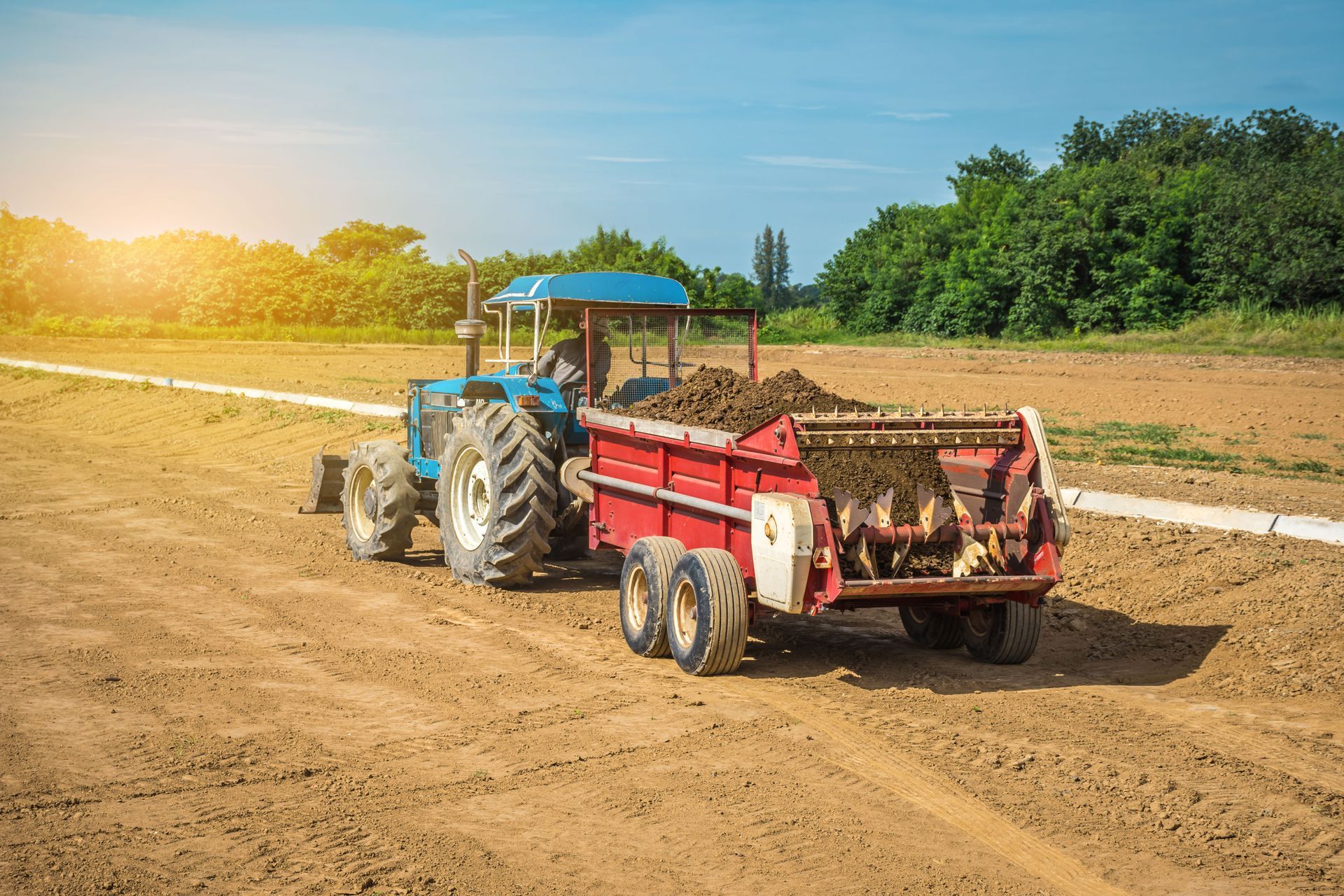
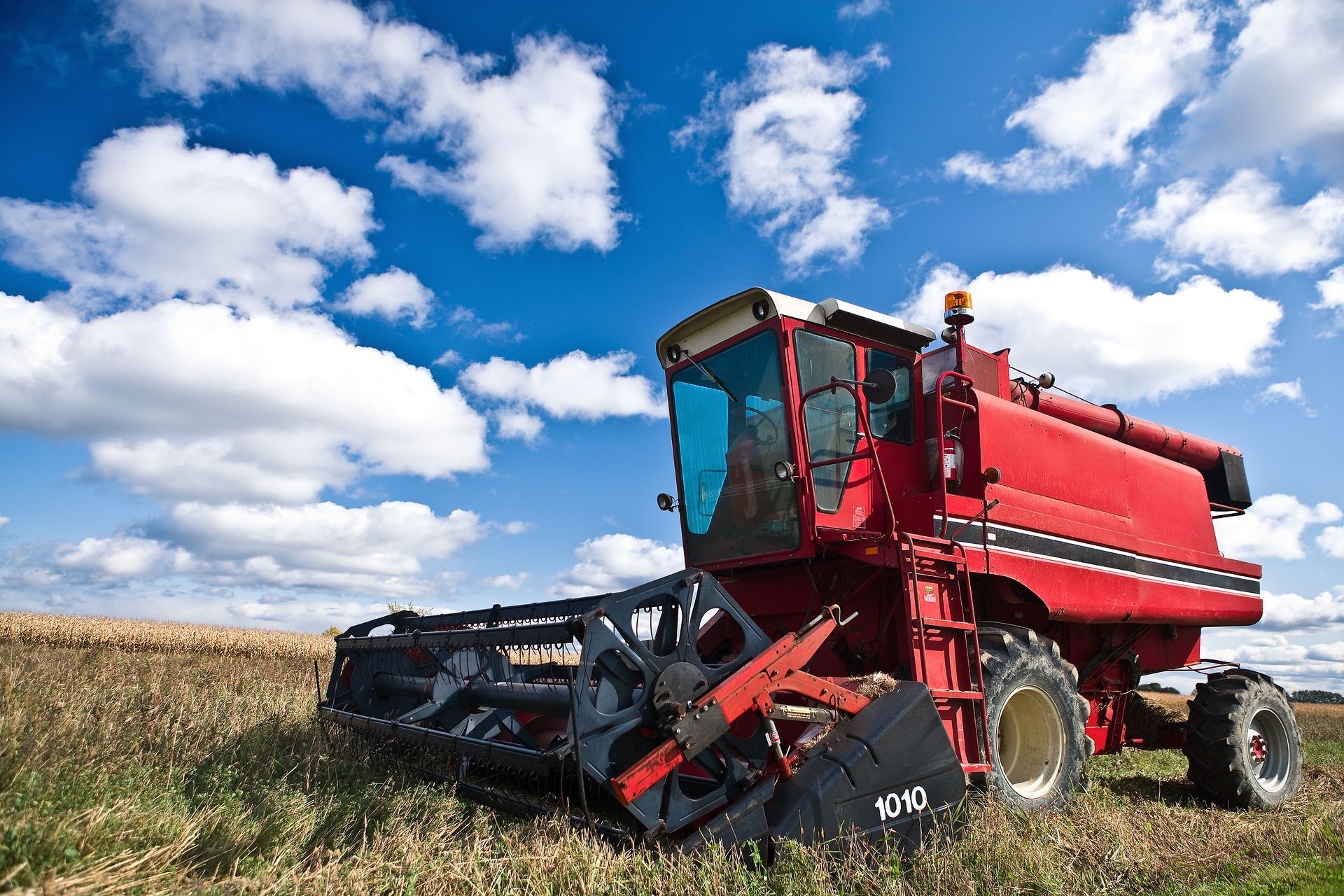
Keeping machinery running smoothly is critical for any successful farm. With agricultural equipment services, routine maintenance, and timely repairs, help ensure that tractors, harvesters, and other essential tools operate at peak efficiency. Regular inspections reduce the likelihood of unexpected failures, especially during time-sensitive planting and harvesting periods.
Optimizing performance also means identifying minor issues before they become costly disruptions. Service providers use diagnostic tools and structured maintenance schedules to extend the lifespan of equipment while maintaining consistent output. This level of care supports better fuel efficiency, smoother operation, and fewer interruptions throughout the season.
In addition to routine servicing, performance monitoring plays an important role in keeping machinery dependable. Tracking usage patterns and wear levels allows technicians to recommend targeted adjustments that improve reliability. These insights help farmers avoid overworking specific components while maintaining balanced performance across their fleet.
By prioritizing performance through agricultural equipment services, farms can maintain reliability across their operations. Well-functioning equipment not only improves productivity but also allows operators to plan their work with greater confidence and precision.
Reducing Operational Costs
Managing expenses is a constant concern for farm owners, and equipment-related costs can quickly add up without proper oversight. Agricultural equipment services offer a cost-effective alternative to reactive repairs and premature replacements. Preventive maintenance reduces the need for emergency fixes, which are often more expensive and disruptive.
Leasing and service agreements further help control budgets by spreading costs over time. Instead of making large upfront investments, farms can access modern equipment and professional support through manageable payment structures. This flexibility allows operations of all sizes to benefit from updated machinery without straining financial resources.
Another important factor in cost reduction is minimizing inefficiencies. Poorly maintained equipment often consumes more fuel and requires additional labor to operate effectively. With consistent servicing, farms can reduce these hidden costs and improve overall financial performance without sacrificing productivity.
According to the U.S. Department of Agriculture, the median total farm household income is forecast at $100,840 in 2024, a 2.9 percent increase from 2023. With steady but modest growth, controlling expenses becomes even more important for maintaining profitability. Agricultural equipment services provide a structured approach to managing these costs while supporting operational stability.
Reducing financial strain allows farms to allocate resources more effectively, whether that means expanding acreage, investing in new technologies, or strengthening other areas of the business.
Improving Operational Efficiency
Efficiency plays a major role in determining a farm's success. Agricultural equipment services help streamline daily tasks by ensuring machinery is properly calibrated, maintained, and ready for use. When equipment performs reliably, workflows become more predictable and easier to manage.
Reducing downtime is one of the most immediate benefits. Scheduled servicing prevents breakdowns that could delay planting or harvesting, helping farms stay on track during critical windows. This consistency improves overall productivity and reduces stress on both workers and equipment.
Well-maintained machinery also supports better coordination between different stages of farm operations. When each piece of equipment functions as expected, tasks can be completed in a logical sequence without unnecessary delays. This coordination helps improve labor efficiency and ensures that time-sensitive activities are completed on schedule.
Additionally, many agricultural equipment services incorporate modern technologies that enhance precision and control. Features like GPS guidance, automated adjustments, and performance tracking enable more accurate fieldwork and better resource utilization. These improvements contribute to higher yields while minimizing waste.
As operations become more efficient, farms gain the ability to adapt quickly to changing conditions. Whether responding to weather shifts or market demands, a well-supported system allows for smoother transitions and better decision-making.
Enhancing Sustainability Efforts
Sustainability is becoming an increasingly important focus in agriculture. Agricultural equipment services support environmentally responsible practices by ensuring machinery operates efficiently and uses resources wisely. Properly maintained equipment consumes less fuel and produces fewer emissions, helping reduce the overall environmental impact.
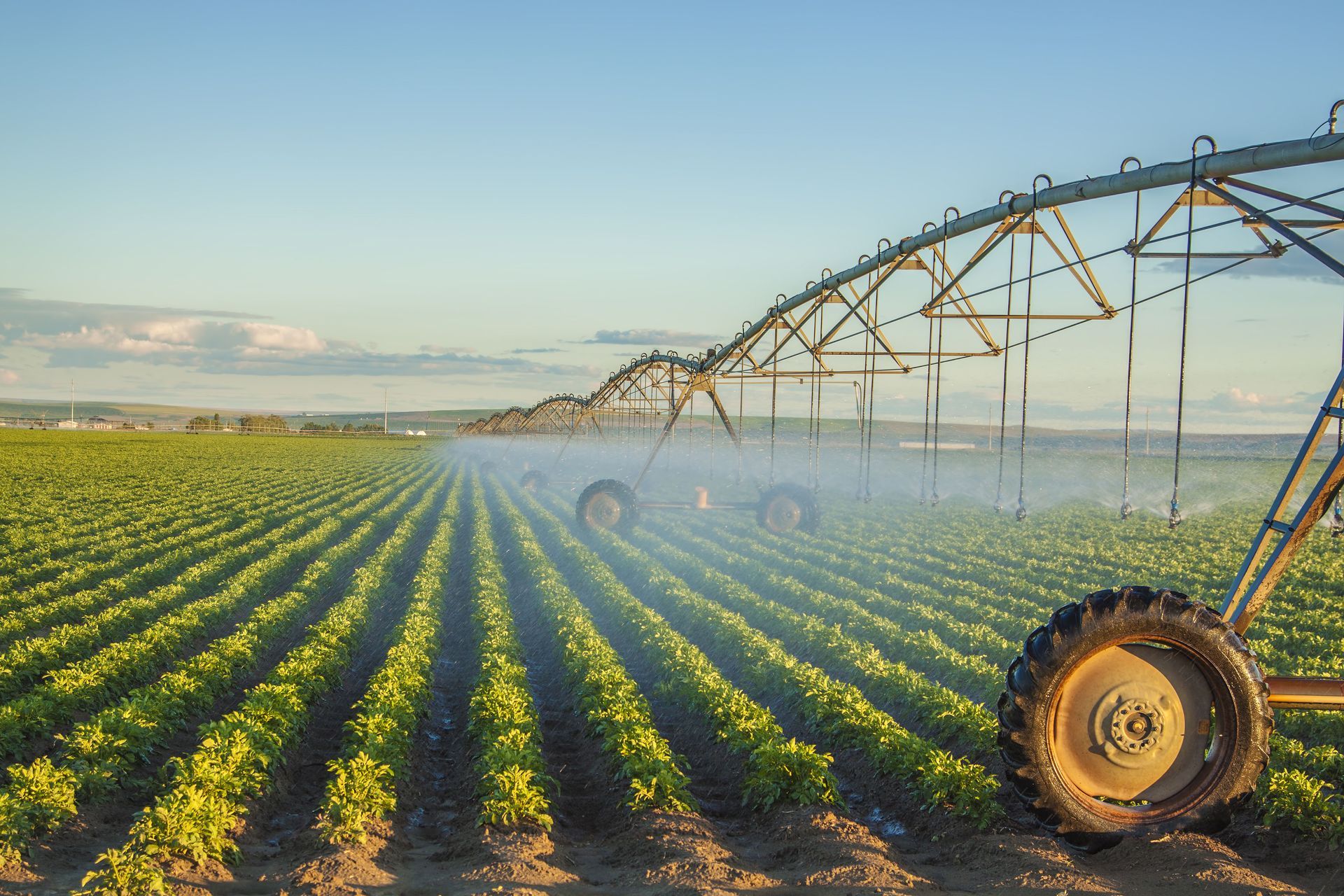
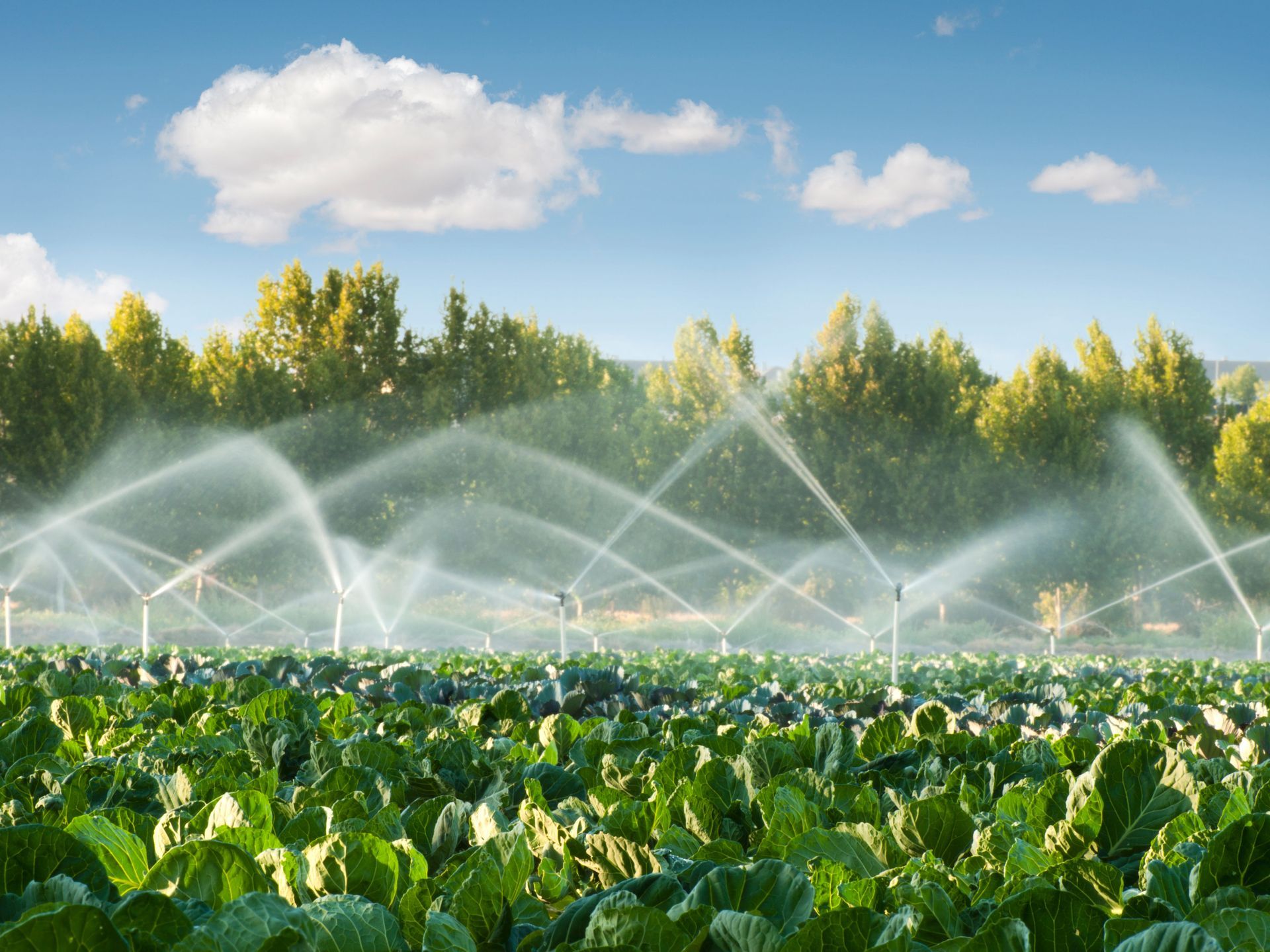
Precision technologies integrated through these services also contribute to sustainability. By applying water, fertilizer, and other inputs more accurately, farms can minimize waste and protect surrounding ecosystems. This targeted approach improves both environmental outcomes and cost efficiency.
Long-term sustainability also depends on maintaining soil health and reducing unnecessary strain on farmland. Efficient equipment helps prevent over-application of materials and limits excessive ground disturbance, both of which contribute to healthier growing conditions over time.
Resource conservation is another key benefit. Efficient equipment reduces excess usage of materials, supporting long-term soil health and operational sustainability. These practices not only benefit the environment but also strengthen the farm's resilience against future challenges.
Adopting sustainable methods through agricultural equipment services can also enhance a farm's reputation. Consumers and partners increasingly value responsible production, and demonstrating a commitment to sustainability can open new opportunities in the marketplace.
Adapting to Technological Advancements
Technology continues to reshape the agricultural industry, and staying current is essential for long-term success. Agricultural equipment services make it easier for farms to adopt and integrate new tools without navigating the process alone. From automation to data-driven systems, these services bridge the gap between traditional practices and modern innovation.
Automation features, such as self-guided equipment and advanced monitoring systems, reduce the need for constant manual oversight. This allows farm operators to focus on strategic planning while maintaining high levels of productivity in the field. At the same time, data collection tools provide valuable insights into performance, helping identify opportunities for improvement.
Ongoing support is a key advantage when adopting new technology. Service providers assist with setup, calibration, and training, ensuring that farm teams can use advanced systems effectively. This guidance reduces the learning curve and helps farms see faster returns on their technology investments.
Service providers often offer guidance on selecting and implementing technologies that align with specific operational goals. This tailored approach ensures that farms invest in solutions that deliver meaningful results rather than unnecessary complexity.
Keeping pace with advancements not only improves efficiency but also positions farms for future growth. By leveraging agricultural equipment services, operations can remain competitive in an industry that continues to evolve rapidly.
Building a resilient and profitable farm requires thoughtful planning and consistent support. Agricultural equipment services play a central role in achieving these goals by combining maintenance, cost management, efficiency improvements, and technological integration. Together, these elements create a strong foundation for sustainable growth.
Investing in reliable equipment support helps farms navigate uncertainty with greater confidence. Instead of reacting to challenges as they arise, operators can take a proactive approach that minimizes risk and maximizes opportunity. This shift in strategy leads to more stable operations and better long-term outcomes.
As the agricultural landscape continues to change, having access to dependable services becomes increasingly valuable. Farms that prioritize performance, efficiency, and innovation are better equipped to meet both current demands and future expectations. For more information about the services that we offer, reach out to our incredible team at Deep Sand Technology today!